


오지그릇
페이지 정보

본문
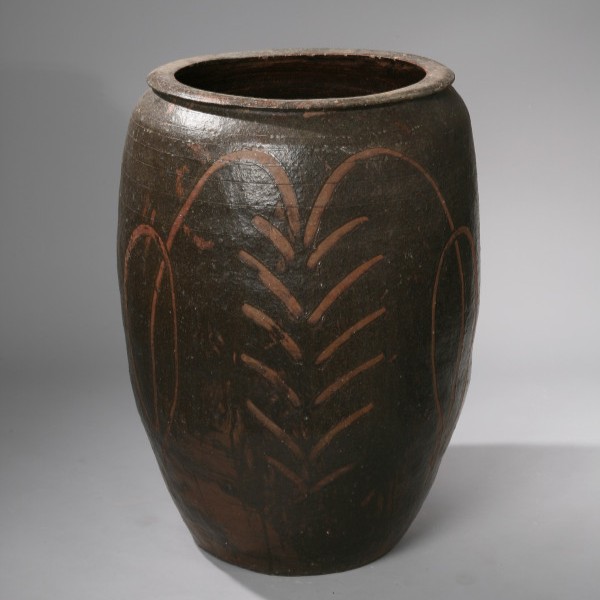
오지그릇
오지그릇은 질그릇에 유약(잿물)을 입혀 구운 그릇을 칭한다.
질그릇에 유약이 나타나는 시기는 가야, 신라 초기까지 거슬러 가지만, 가마 안에서 자연스럽게 생긴 자연유 현상이 대부분이, 고려시대부터 본격적으로 질그릇과 함께 제작, 사용되었다.
오지그릇의 ‘오지’는 잿물을 입혀 구운 후 나타나는 흑갈색 그릇을 말하는 오자기(烏瓷器)에서 유래된 것이다.
오지그릇은 나무를 태운 재와 약토를 섞어 만든 유약(잿물)을 표면에 입혀 1,000~1,100℃ 사이에서 굽기 때문에 질그릇보다 견고하고 방수성이 우수하다.
따라서 간장이나 술 등을 담아두는 저장 용기 및 주방 용구로 많이 사용되었다.
조선시대 <경국대전>에는 서울과 지방에 100여 명의 옹기장을 두었다고 기록되어 있는 것으로 미루어 전문적으로 옹기를 제작하는 장인이 있었음을 알 수 있다.
고려시대부터 다양한 형태로 사용된 오지그릇은 현재도 그 명맥을 이어가고 있는 한반도의 중요한 생활 문화이자 살아있는 문화유산이다.
Oji greut (Oji Pottery)
Glazed onggi, or ojigeureut, refers to vessels made by applying glaze (ash coating) to earthenware before firing.
Although traces of glaze on earthenware can be traced back to the early periods of Gaya and Silla, these were mostly natural ash glazes formed unintentionally inside the kiln.
From the Goryeo period onward, however, glazed ware began to be intentionally produced and used alongside unglazed earthenware.
The term “oji” is derived from ojagi, which refers to blackish-brown vessels that appear after being fired with an ash glaze.
Glazed onggi is coated with a glaze made by mixing wood ash and clay, then fired at temperatures between 1,000°C and 1,100°C. As a result, it is more durable and has superior water resistance compared to unglazed earthenware.
For this reason, it has been widely used as storage containers for items such as soy sauce and alcoholic beverages, as well as for various kitchen utensils.
The Gyeongguk Daejeon, a legal code of the Joseon Dynasty, records that more than 100 onggi craftsmen were assigned in Seoul and regional areas, indicating the existence of specialized artisans dedicated to pottery production.
Since the Goryeo period, glazed onggi has been used in a wide variety of forms. It remains an important aspect of everyday culture on the Korean Peninsula and continues to this day as a living cultural heritage.
- 다음글질그릇 26.03.19
댓글목록
등록된 댓글이 없습니다.